Web Design and Development With Motion Built In
We design and build websites on WordPress, Webflow, Framer and more. One studio handles the strategy, the design, the build and the motion, so nothing gets lost in a handover.

One Studio, Start to Finish
Design and Build Belong Together
Most website projects break in the same place. A designer hands over a file, a developer opens it, and the details start falling away. Spacing drifts. The typography loses its rhythm. The animation that made the concept feel alive gets dropped because it was never planned as part of the build. What launches is a rough approximation of what was sold.
We work differently because the same studio does both. When we draw a layout, we already know how it will behave on a phone, how the CMS will feed it, and how it will move as someone scrolls. Decisions get made once, by the people who have to live with them. There is no translation phase, no back and forth about whether something is technically possible, and no second round of quality checks because the build drifted from the design. It also means one point of contact, whatever your question is about.
How We Choose
We Learn the Job Before We Pick the Tools
Most studios have a favourite. They sell it on every project, then quietly bend the brief until it fits. That is comfortable for them and expensive for you, usually about two years later when the site cannot do the one thing the business now needs.
We work across everything turning here, so we have no reason to steer you. The recommendation comes after the first call, once we know who edits the site, how often, what has to connect to it and what you plan to add next year. Often the honest answer is the cheaper one.
Whatever we land on, the build stays with one team. The same people handle the design, the front end, the content model and the motion, so the tool we picked never becomes something you have to manage.












What You Get
What a Build Includes
Every project is scoped individually, but the shape of the work stays the same.
Strategy and structure
Before anything is drawn we agree what the site has to do. Who it speaks to, what those people need to see, which pages exist, and what each page is responsible for. This becomes a sitemap and a page by page plan, so nobody is guessing later.
User experience
Wireframes for the pages that matter, showing hierarchy and flow before visual design starts. It is quicker to move a section in a wireframe than in a finished layout.
Visual design
Full page designs in Figma for desktop and mobile, built on a proper design system rather than one off pages. Type scale, spacing, colour, buttons, forms and states are all defined, which is what keeps a site consistent when you add pages next year.
Development
A hand built, responsive front end. Real content types in the CMS so you can add case studies, services or products without asking us. Forms wired to where they need to go. Accessibility basics respected, including keyboard navigation, sensible contrast and alt text.
Motion
Scroll behaviour, hover states, transitions and load sequences designed as part of the page, not bolted on at the end.
Quality checks and launch
Testing across browsers and real devices, checking every link and form, setting up redirects if you had an old site, then a controlled launch.
Handover
The Figma files, a training video walking through how to edit your own site, and written documentation. Two to three rounds of revisions are included, and anything beyond that we agree together before it starts.
Our Process
Four Stages, No Guesswork
Discover
Current site and content review
Competitor and audience look
Written scope, fixed price and date
Design
Wireframes for the pages that matter
Full designs in Figma
Feedback in rounds until it is right
Build
CMS and real content types
Motion and interaction
Staging link you can watch
Launch
Redirects and analytics
Go live at a time that suits you
Thirty days of support after
Motion
Motion That Earns Its Place
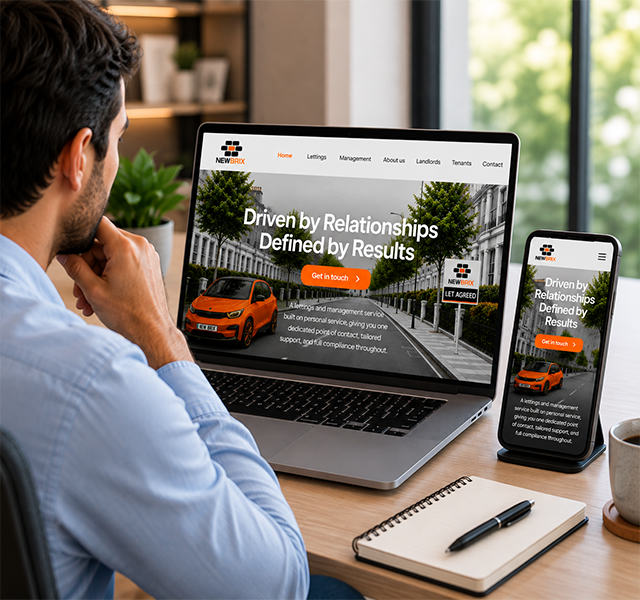
Motion is our signature, and the fastest way to ruin a website. The difference is whether it is doing a job.
Good motion tells you where you are. It reveals a section as it becomes relevant, shows that a button is interactive, or carries you between two states so nothing jumps. Bad motion makes people wait, hides the content, and fights the scroll.
We build with GSAP and native browser animation rather than heavy plugins, which keeps the page light. Everything is tested on a mid range phone, not just a fast laptop, and we respect the reduced motion setting for people who ask their device to keep things still.
Speed and Search
Built to Load Fast and Get Found
Performance is not a phase at the end. It is the sum of a hundred decisions made during the build.
We keep the plugin count low, serve images in modern formats at the size they are actually displayed, load fonts locally, and avoid third party scripts that quietly tax every visit. Animation is written to run on the compositor so it does not stall the page.
On the search side, every build ships with a clean heading structure, descriptive page titles, readable URLs, alt text on images and a sitemap. If we are rebuilding an existing site, we map every old URL to its new home and set redirects, so the rankings you already earned come with you.
Brand and Identity
When the Brand Comes First
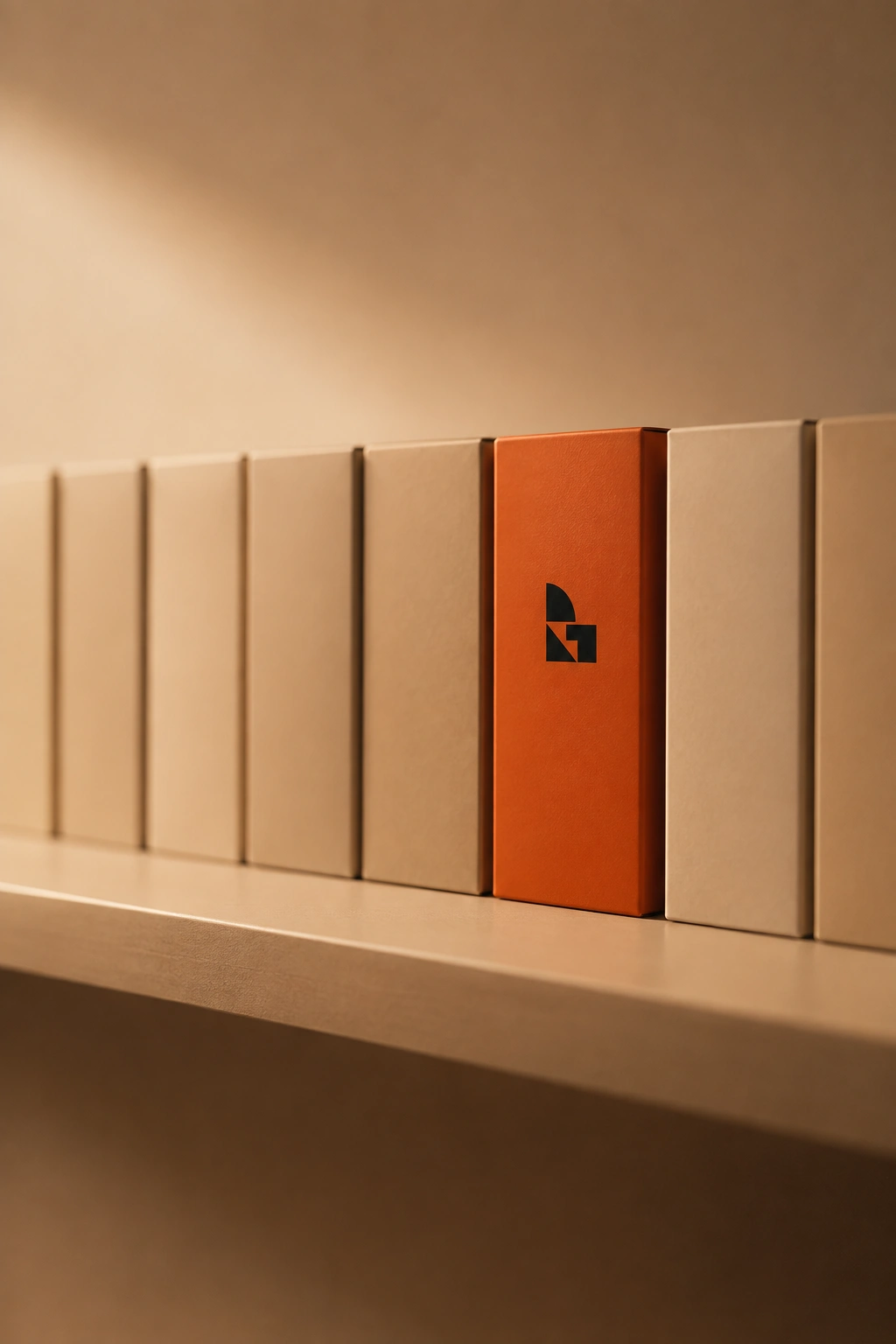
Sometimes the website is not the first problem. If the logo was inherited, the colours were picked in a hurry and nobody quite agrees on how the brand should sound, designing pages on top of that only spreads the confusion across more screens.
When that is the case we start with identity. Name, mark, palette, typography and voice get built as one system, and the site becomes the first place it is applied properly rather than a patch over the top.
Plenty of clients come to us for a website and leave with both, because the two jobs answer the same question: what should this feel like when someone meets it for the first time.

Selling Online
When You Need to Sell
Plenty of our builds include a shop, and the right way to build it depends on what you sell and how you want to run it day to day.
On WordPress we use WooCommerce, which suits stores that need custom product data, unusual pricing rules, or a shop that sits inside a larger content site rather than being the whole thing. Shopify is the better answer when the business is the store. Payments, inventory, shipping and checkout are handled for you, so the work goes into the storefront experience instead of the plumbing. Squarespace commerce covers a small, tidy catalogue where simplicity matters more than control, and we have used it where a client wanted one place to manage the whole site.
We tell you which one fits before we quote, because moving a store later costs far more than choosing carefully now. Large catalogues, subscriptions, multi currency and complex shipping all deserve their own scope.

Automation and CRM
The Site That Talks to Your Tools
A contact form that only sends an email is a missed opportunity. Most of our builds connect the site to the tools the business already runs on, so an enquiry lands where somebody will actually see it.
In practice that means routing leads to the right person, pushing contacts into ActiveCampaign or your CRM with the tags that matter, triggering the follow up that would otherwise wait until someone remembers, and syncing bookings or payments so nobody rekeys the same details twice.
We keep the wiring simple and we document it, because an automation nobody understands is a liability the day it breaks.
Who We Build For
Industries We Build For
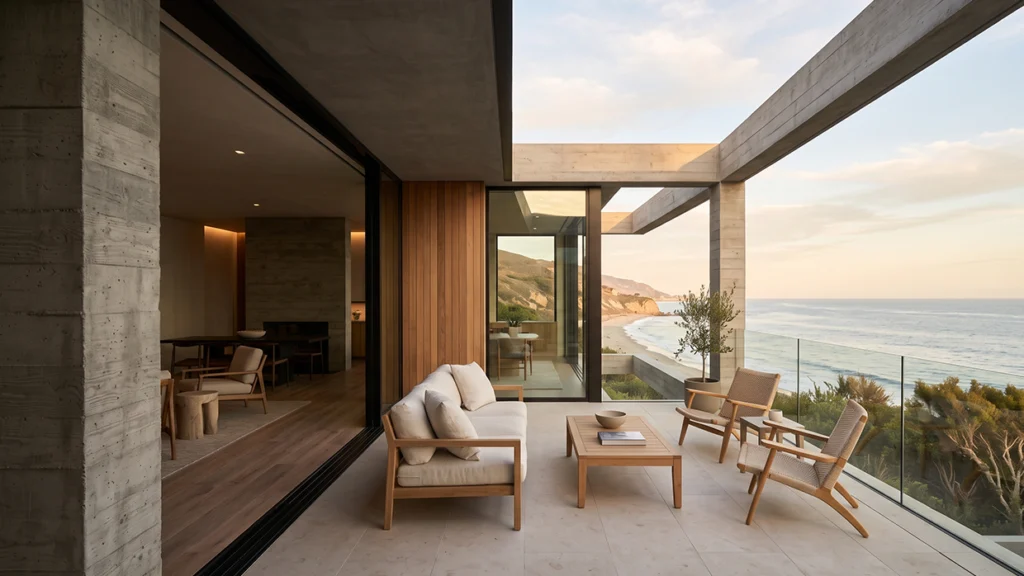
Ten years of work leaves you with patterns. We know what an architecture practice needs from a project page, and how differently a therapy practice has to speak to the person reading it.


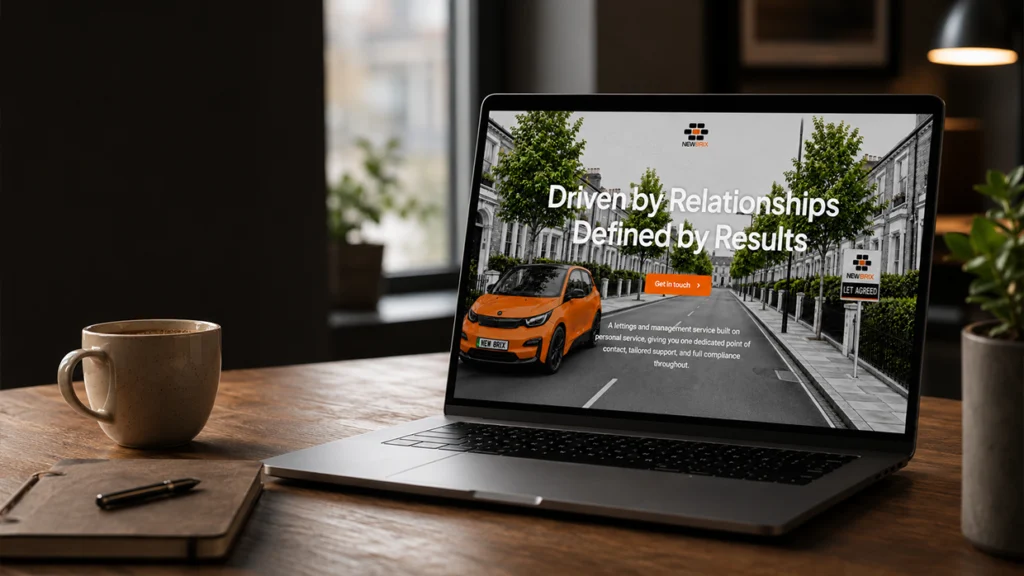
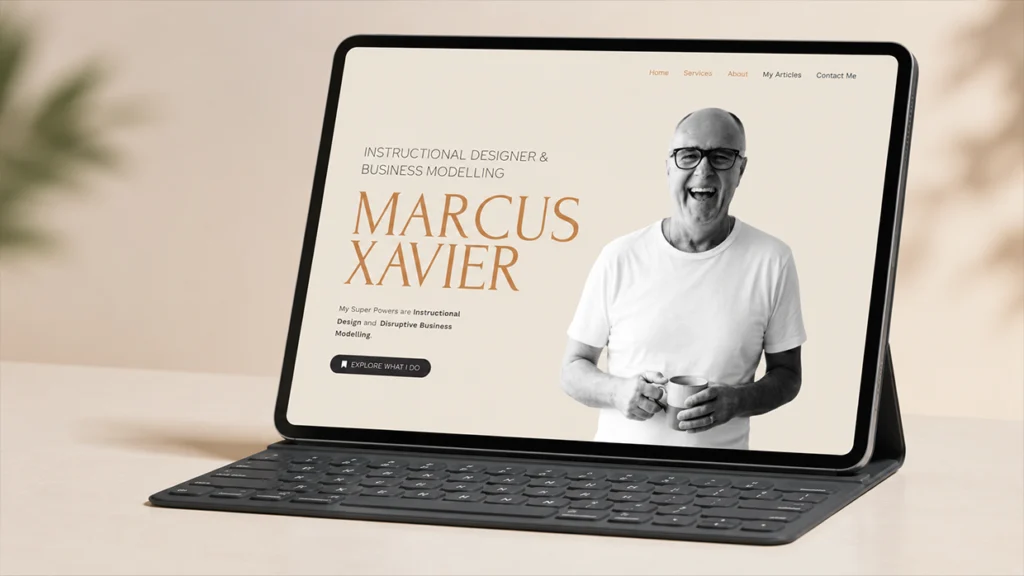
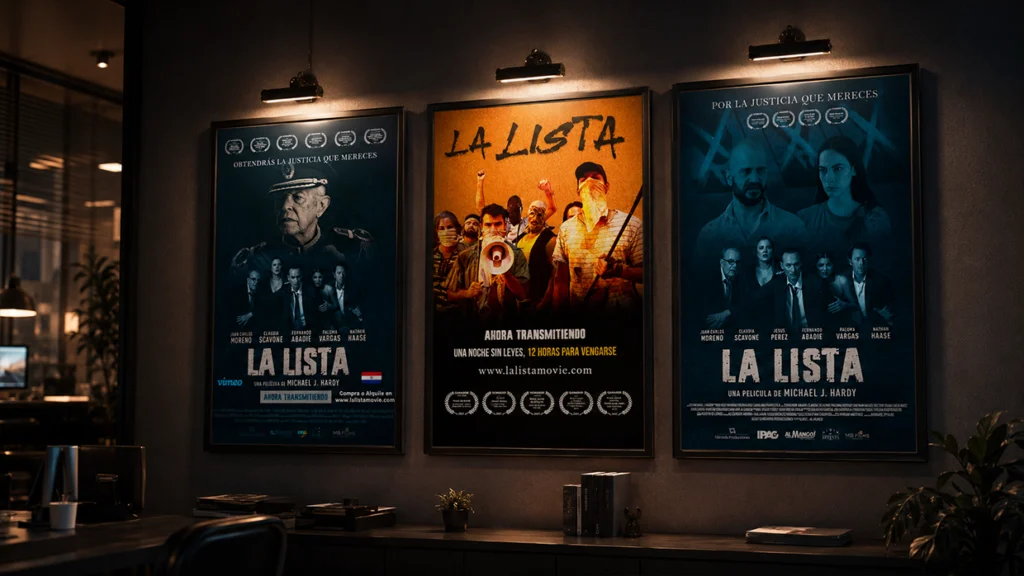

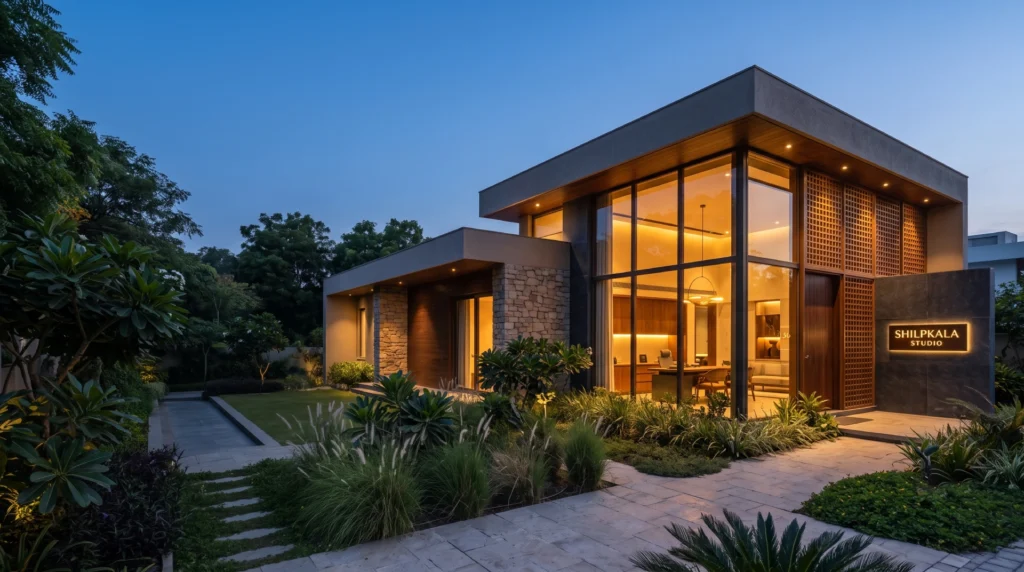
Selected Work
The Work Speaks Before We Do
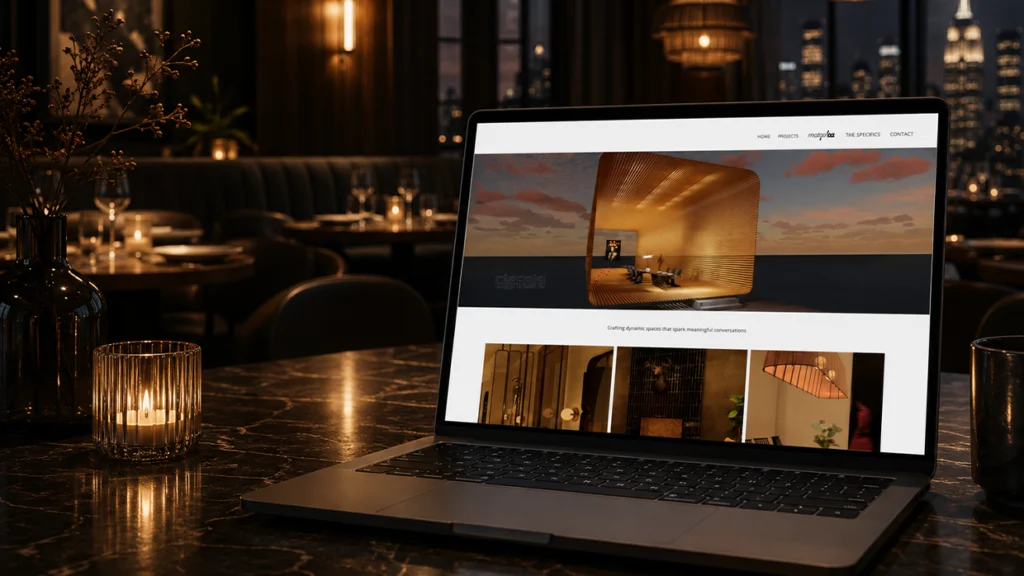
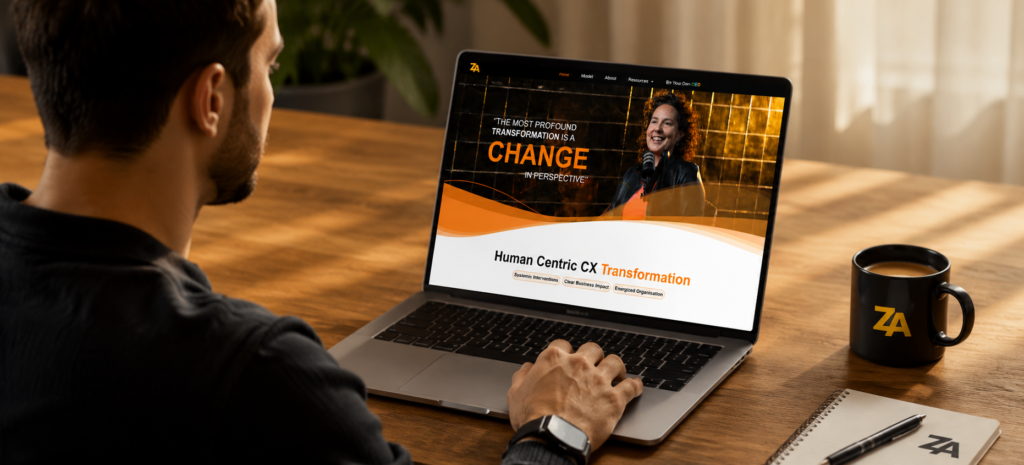
Every site in this ring was designed and built by the same two people, across architecture, food, film, healthcare and real estate.
In Their Words
What Clients Say

Fadi Riscala
Restaurant Designer

Marcus Xavier
Learning Strategist

Shalene Takara
MA, RCC-ACS

Ar. Abhishek Soni
Founder and Principal Architect

Dr. Zanna van der Aa
Transformation leader
The Practical Part
What Working With Us Looks Like
The Studio
Who You Actually Work With
Atom Mind is a small studio on purpose. Vachan and Bijal lead every project together, both designing and building, so the person who draws your layout is the person who writes the code.

Scope and Price
How We Scope and Quote
We do not bill by the hour, because nobody enjoys watching a clock they cannot see. After a discovery call you get a written scope with a fixed price and a delivery date.

After Launch
The First Month Is On Us
Launch day is not the finish line. Small things surface once real people start using a site, and none of them should turn into a support ticket.

Common Questions
Questions We Get Before a Build
How long does a website take?
A small business site is usually two to three weeks once the design is approved. Bigger builds with custom features, a store or heavy content typically take two to three months. The biggest variable is not our speed, it is how quickly content and feedback come back.
How much does a website cost?
It depends on the number of pages, how custom the design is, and whether you need a store or integrations. We quote a fixed price after a discovery call so there are no hourly surprises. Indicative ranges are on our pricing page.
Can you redesign my site without losing my Google rankings?
Yes, and it is a standard part of a redesign. We map every existing URL to its new location, set redirects, keep the page titles and structure that are already working, and check for errors after launch.
Can you move my site from Webflow, Wix or Squarespace to WordPress?
Yes. Migrations are one of the four ways our projects start. We move content, rebuild the design properly rather than pasting it in, map URLs and set redirects.
Do you write the content?
We help with structure and can refine what you have. Full copywriting from scratch can be added if you need it, so mention it during discovery and we will include it in the scope.
Is the site mobile friendly?
Every build is designed for phones and tablets as well as desktop, and tested on real devices, not just resized in a browser. Most of our clients see more than half their traffic on a phone.
Do you add animation to every site?
Every build includes considered motion such as scroll reveals, hover states and transitions. Heavier animation work is available through our motion and interaction service. We never add motion that makes a page slower or harder to read.
Do you work with clients in other time zones?
Yes. Our clients are across the USA, UK, Canada, Australia, the Netherlands and India. We agree a weekly check in that suits your hours and reply within one working day.
What happens if I need changes after launch?
The first thirty days of support are included. After that you can request work as needed or move to a monthly care plan.